
More About Our History
A Brief History of Spicewood Ranch
The history of Spicewood Ranch reflects the broader ecological changes that reshaped Central Texas over time. From the mid-19th through the early 20th century, native prairies and oak savannas were steadily altered by expanding agriculture and ranching, along with plowing, fencing, non-native grasses, overgrazing, and the suppression of natural fires that once maintained open grassland systems. By the middle of the 20th century, these changes had reduced native prairie ecosystems in Texas and across the United States to only a small fraction of their original extent, leaving much of the landscape fragmented, depleted, and increasingly dominated by invasive brush.
In 1972, Chris Harte and his brother Will encouraged their father and uncle to purchase the initial 280 acres of the ranch from Dayton and Clara Julia McInnis. The McInnis family had lived on and worked the land for decades, raising cattle, sheep, goats, and hogs at different times, while also growing cotton and maintaining extensive fruit and vegetable gardens. They raised two daughters and a son on the property in a traditional subsistence ranching way of life to support their family.
In the early years, Spicewood Ranch primarily served as a recreational weekend retreat. Allen Spelce was brought on board to manage the ranch and its relatively small cattle operation. A new chapter began in 1984 when Chris married Kay Wagenknecht, a native plant enthusiast and landscape architect with degrees from UT and Texas A&M. Kay brought an ambitious vision for restoring the ranch’s native ecological character, and her influence helped shape everything that followed. Chris soon purchased the ranch from his siblings and began a multi-year effort to acquire adjacent land with conservation and restoration in mind. By 1988, Kay had recruited her friend and colleague David Mahler to help lead the work of reintroducing native plants and restoring ecological balance to the property, which had now grown to 545 acres.
The early 1990s marked a more intentional phase of restoration. Prescribed burns were introduced, enclosed test plots were established to study habitat recovery, the remaining cattle were removed, and the property was high-fenced to reduce deer pressure. The ranch also transitioned from an agricultural designation to a wildlife management property, reflecting a meaningful shift in both purpose and practice.
After Kay's passing in 1997, her vision continued to guide the ranch's direction. By the early 2000s, the ranch had expanded to over 1,000 acres, and restoration efforts extended across prairies, oak savannas, and riparian corridors. Over the years, the results of sustained restoration became increasingly visible.
In 2018, the ranch was honored as a Lone Star Land Steward by Texas Parks and Wildlife. In 2019, Chris Harte received the Victor Emanuel Conservation Hero Award from the Travis Audubon Society. By 2021, 561 acres of the ranch were permanently protected under a conservation easement.
Spicewood Ranch now serves as a long-term model for restoration and conservation in Texas. Its history mirrors the transformations that shaped the Hill Country and highlights the patience, vision, and dedication needed to restore it. Today, through research partnerships, educational initiatives, and ongoing stewardship, the ranch remains committed to preserving and revitalizing the land for future generations.
Additional Resources
News & Insights

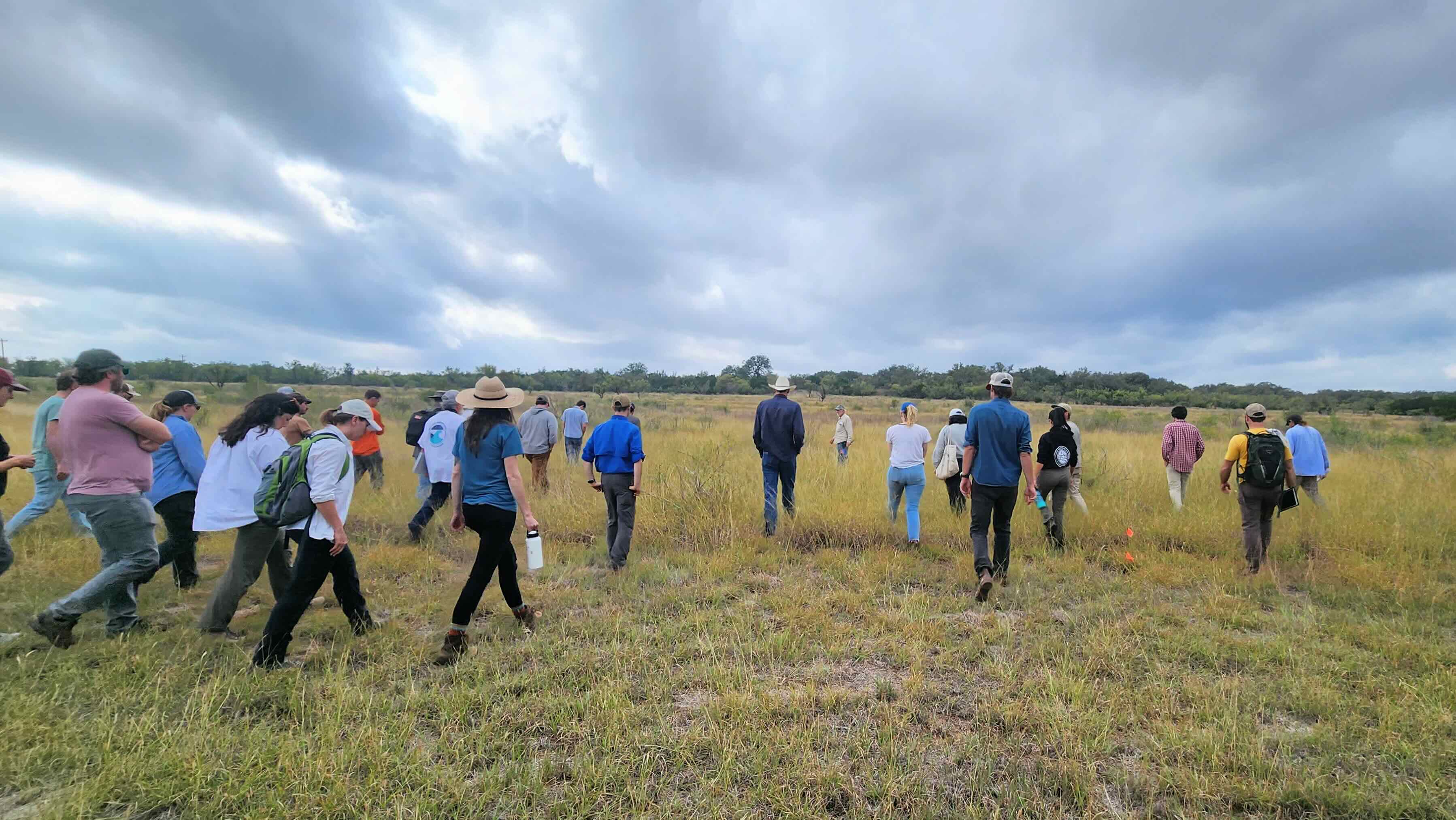

Restoration, Conservation, Inspiration
Restoration isn’t just about land — it’s about people who love and care for it. Whether you’re a neighbor, researcher or volunteer—your curiosity and care will help this place thrive.