

The Ongoing Work of Healing the Land
Restoration at Spicewood Ranch is a patient, hands-on process, grounded in the interrelated sciences of biology, ecology and botany. Every season brings new weather patterns and new challenges – requiring an adaptive management strategy to decide what to seed, what to harvest, and where prescribed fire can best help restore balance to the landscape.
.jpg)
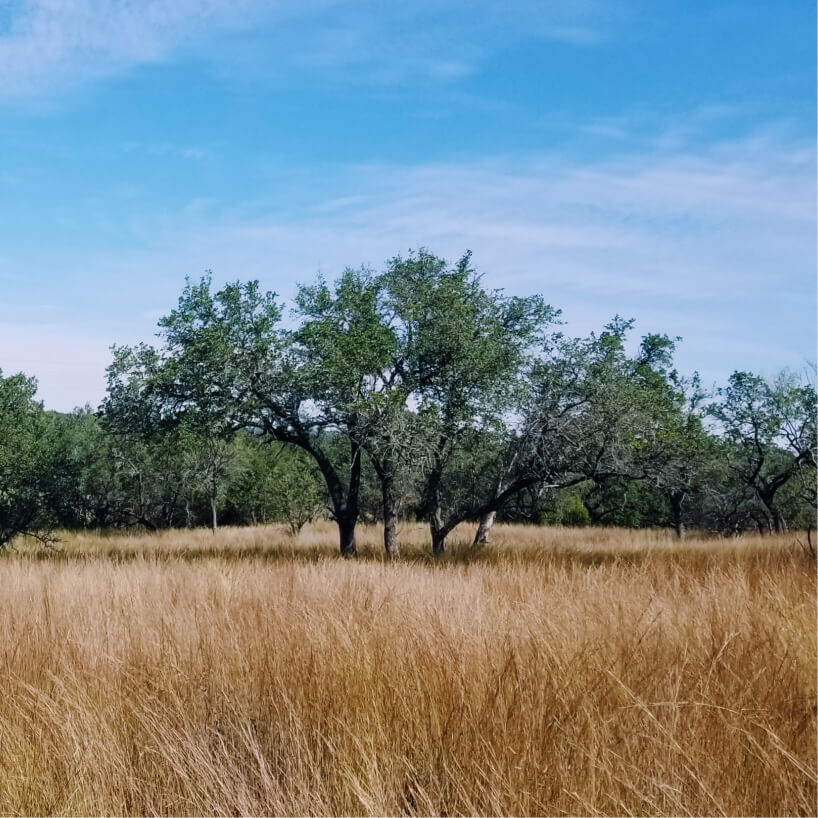
Cedar (Ashe Juniper) Management
Thinning dense cedar thickets was in important early step in restoring grassland habitat. By opening the ground to more sunlight, water, and space, native grasses and forbs have been able to re-emerge and expand. The ranch uses a several methods to thin cedar including chainsaws, hand cutting, and prescribed fire.
Reduce Browse Levels
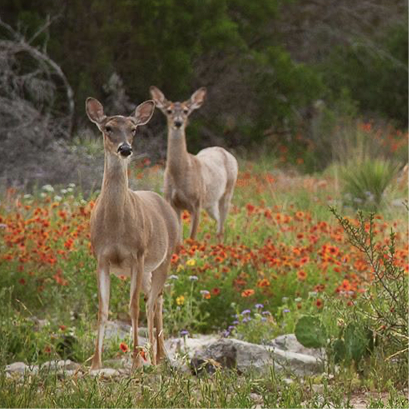
When restoration began, one the first steps was removing cattle from the property so native grasses could recover. Even so, an overabundant whitetail deer population continued to limit the return of forbs and woody species. Today deer browse is managed through high fencing and selective harvesting.
Reintroduce Native Species
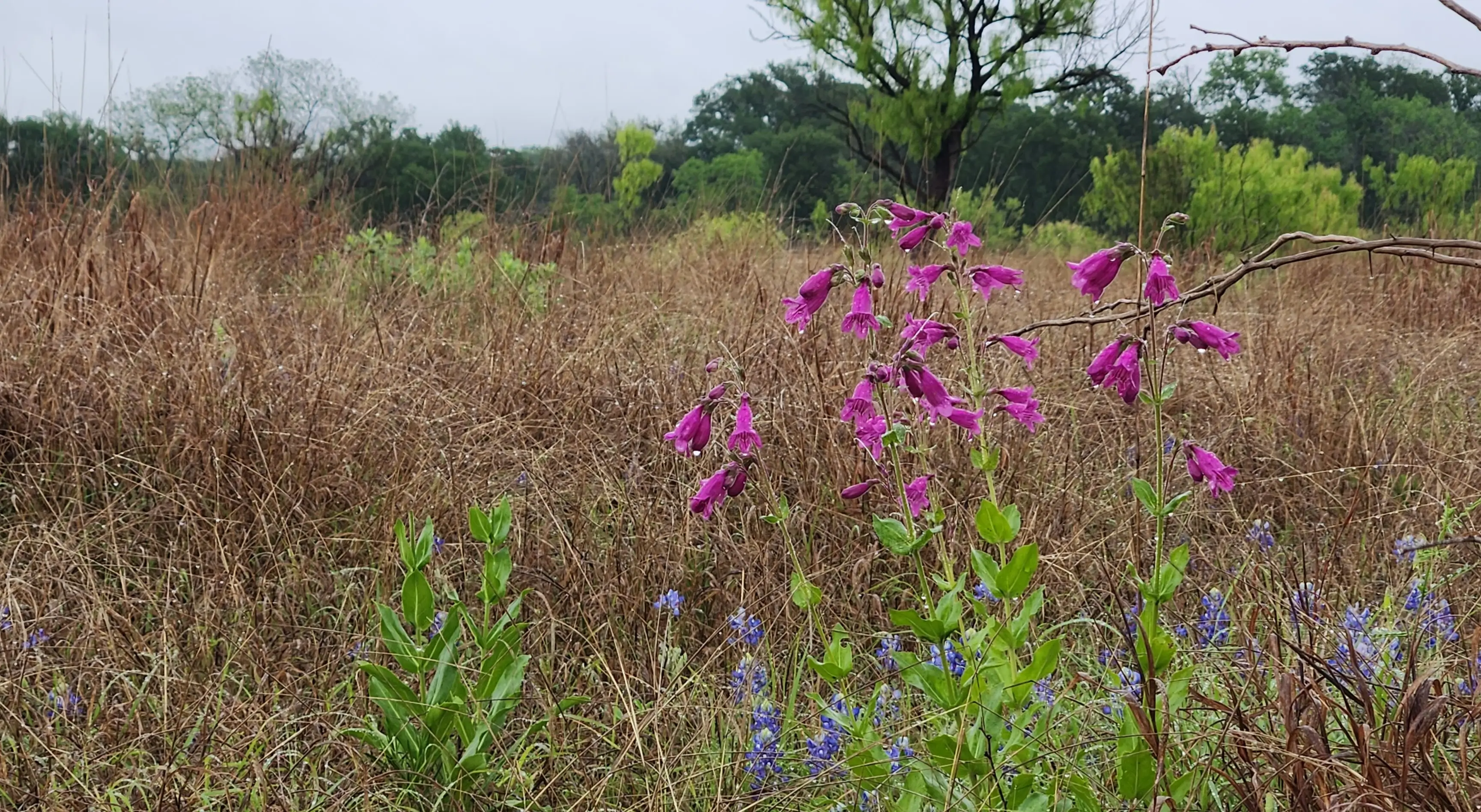
With cattle removed, and deer numbers reduced, we were able to begin reintroducing native forbs, shrubs, and trees in a planned sequence. We started with species that were only slightly more palatable than the existing vegetation, giving deer additional forage while allowing the new plants to establish. Over time, those plants helped create conditions for even more palatable species to be introduced.
Prescribed Burns
Prescribed burns are a cornerstone of prairie restoration. They mimic the natural fires that once controlled woody plant encroachment, release nutrients, promote native grasses and increase the diversity of the land. In early 1990s, we were among the first Hill Country ranches to use prescribed fire as a restoration tool, and we have continued the practice ever since. In 2011 we conducted our first public burn demonstration.
.jpg)
.jpg)
Seeding & Seed Harvesting
Seeding is a vital part of our restoration work. By carefully collecting, sourcing, and planting native species, we help restore the plant communities that once shaped this landscape. Each seed sown represents a step toward bringing back a more diverse, resilient habitat and a healthier ecological balance.
Invasive Management
Ongoing management of non-native invasive species is a critical part of our restoration work. Aggressive grasses such as KR bluestem, Johnsongrass, and Bermuda grass along with low-palatability native grasses such as three-awn and poverty dropseed often dominate over-grazed Central Texas ranchlands. Woody invasives like chinaberry, Chinese tallow and privet also compete with native species. Through years of prescribed fire, localized herbicide treatments, and manual clearing these invasives have been steadily reduced, allowing the native grasses, forbs, and woody species to gradually reclaim their space.
.jpg)
News & Insights

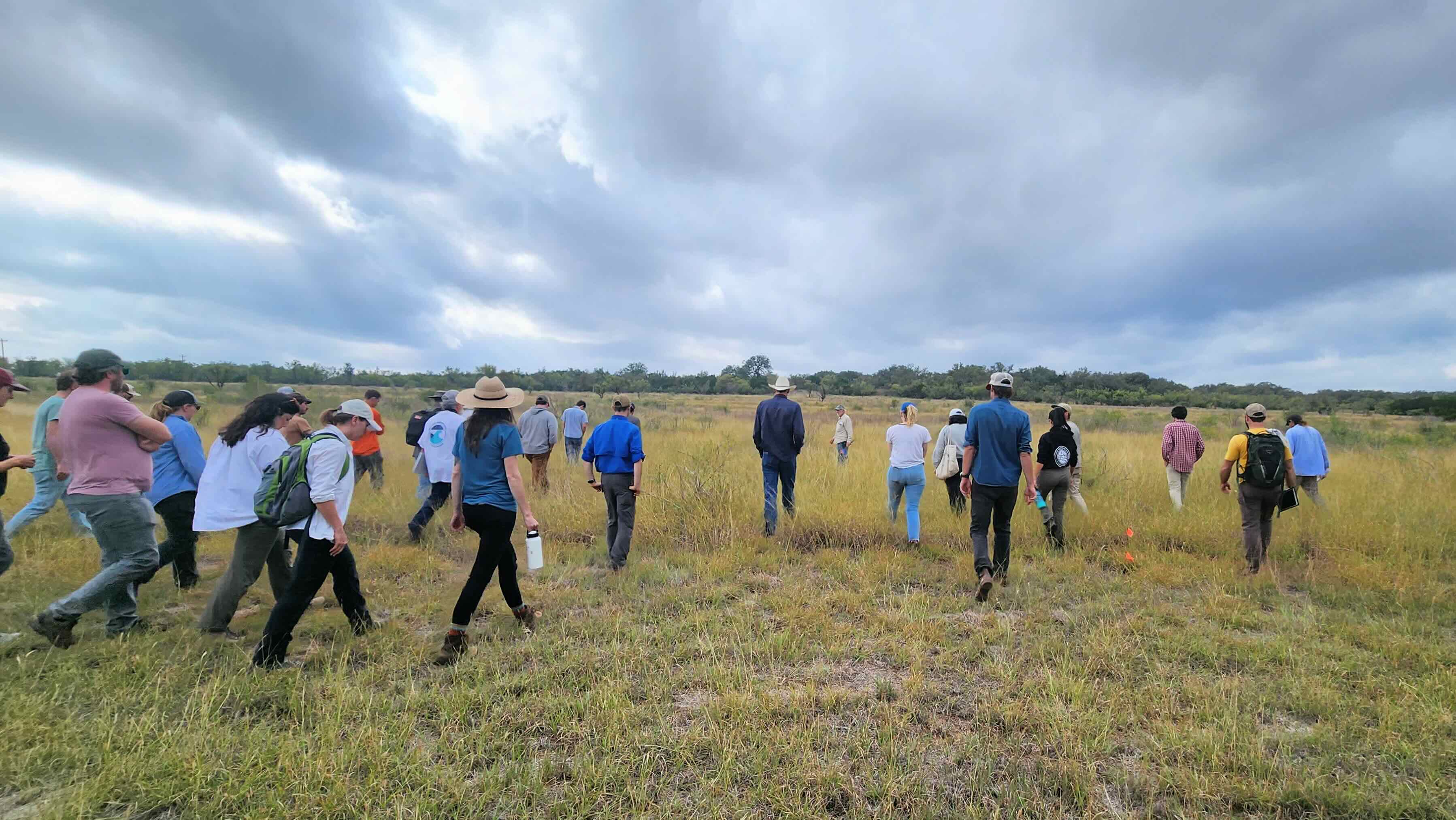

Restoration, Conservation, Inspiration
Restoration isn’t just about land — it’s about people who love and care for it. Whether you’re a neighbor, researcher or volunteer—your curiosity and care will help this place thrive.