

Reduce Browse Levels
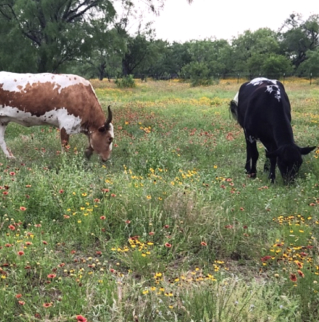
Removing the Cattle
In 1995, cattle were removed from most of the ranch parcels. This allowed us to begin introducing more palatable native plant species. Although cattle are primarily grazers, they also browse the leaves and shoots of many desirable native plants.
Managing the Deer
The Texas Hill Country has long held some of the state’s highest white-tailed deer densities, due in part to a decline of natural predators such as wolves and mountain lions, and to abundant cover and browse from mesquite and juniper. At these densities, restoring more palatable native forbs and woody species is nearly impossible.
Our approach is to manage deer through selective harvesting and high fencing to achieve a density that matches the available browse. Today, that target is approximately one deer per 15-20 acres. Visitors to the ranch are often surprised to learn that the miles of high fencing around the conservation easement are designed to keep the deer out, not in.
Managed Lands Deer Program
The ranchparticipates in the Texas Parks and Wildlife Department’s Managed Lands Deer Program. This program provides an extended harvesting season and management guidance based on desired deer population levels. More information is available at tpwd.texas.gov and searching for MLDP.
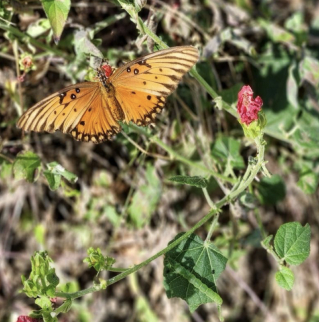
Increased Plant Diversity
Managing deer populations gives young, palatable wildflowers and woody plants a better chance to survive. As native vegetation returns, birds, pollinators, and mammals that depend on those plants also return.
News & Insights

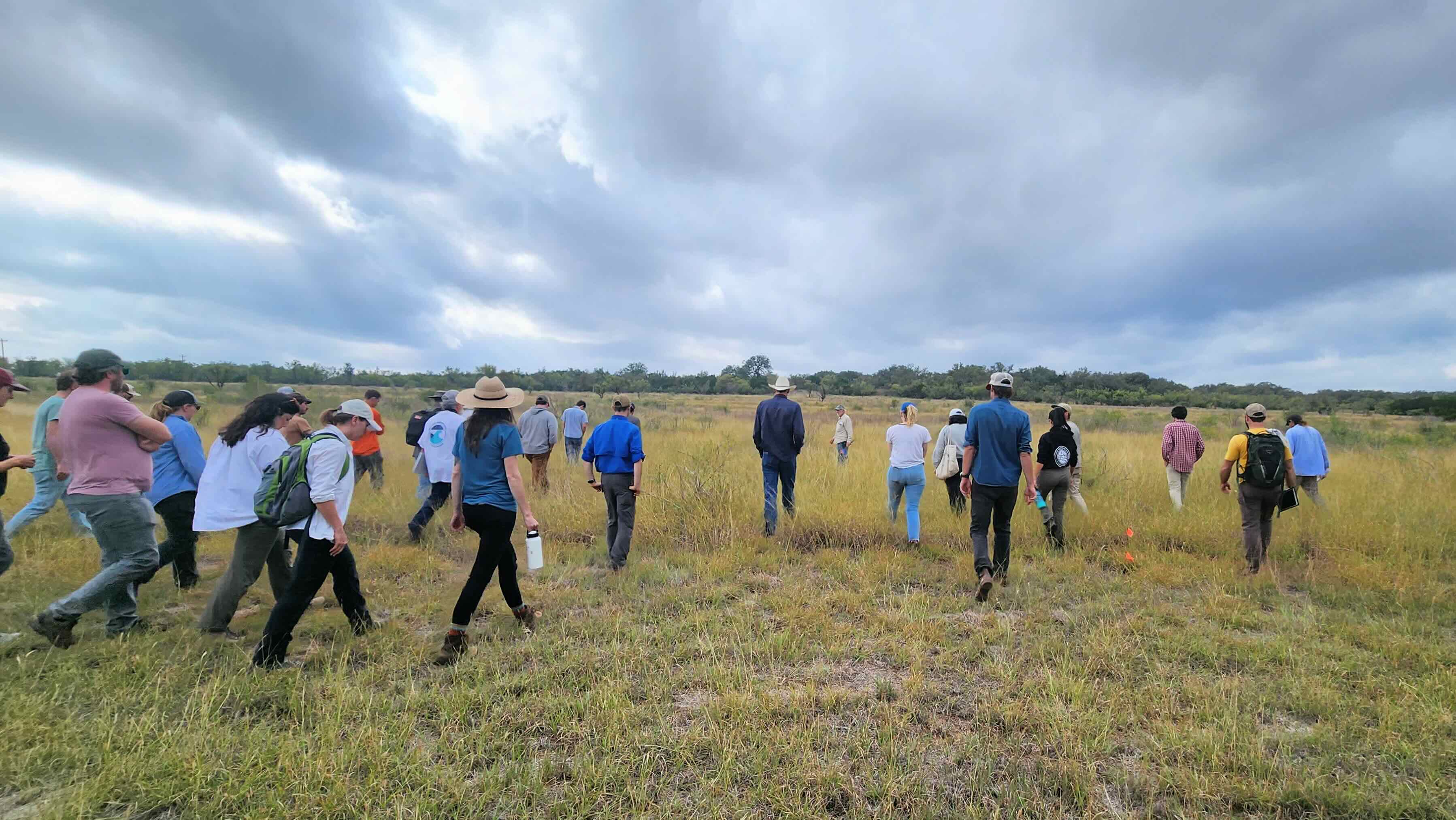

Restoration, Conservation, Inspiration
Restoration isn’t just about land — it’s about people who love and care for it. Whether you’re a neighbor, researcher or volunteer—your curiosity and care will help this place thrive.