

A Focus on Palatability
Monitoring What Can Survive
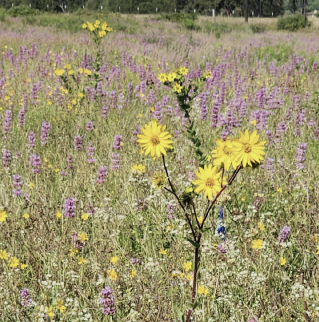
In the early years of reintroduction, many of these species were heavily browsed, but they survived and eventually matured enough to produce seeds. Over time, single plants became small colonies and began to spread. This work, involving the sequential reintroduction of species, requires ongoing monitoring of browsing pressure, along with the protected harvesting of native species in deer exclosures to better understand which species can survive on the ranch under the right conditions.
Palatability Index
Over the past several decades, the ranch has developed its own index of which Hill Country species are most and least susceptible to browsing based on observation and experience. This list can be found by visiting our resource library or clicking here.
Success Measured in Decades
Using this method, we successfully reestablished important plants and wildflowers in the first decade of restoration, including plateau goldeneye, gay feather, standing cypress, bush sunflower, purple prairie clover, and Engelmann daisy. In the second and third decades, we reintroduced even more palatable native species such as penstemon, narrowleaf echinacea, white silphium, greeneyes, and lanceleaf sumac. Improved browsing conditions have also allowed other species we thought were gone to return on their own. After not being seen for decades, winecup and prairie larkspur are now easy to find on the ranch.
Today, we are just beginning to see the survival and slow growth of mid-palatability woody species such as pavonia, fragrant sumac, and evergreen sumac. This is an ongoing process that will last beyond our lifetimes.
News & Insights


Restoration, Conservation, Inspiration
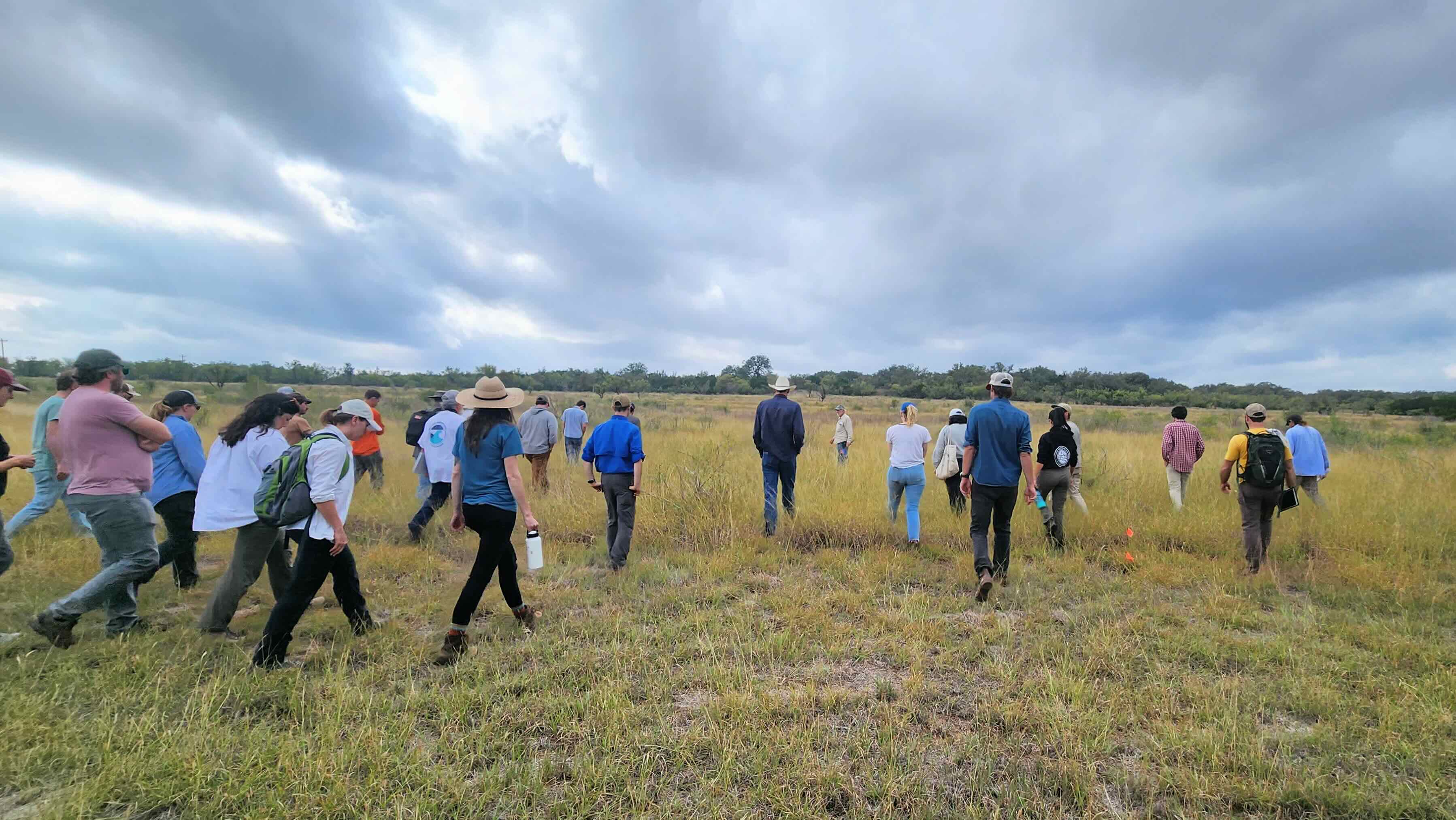
Restoration isn’t just about land — it’s about people who love and care for it. Whether you’re a neighbor, researcher or volunteer—your curiosity and care will help this place thrive.