

Cedar Management
Restoring What Was Native
The Hill Country was once a mosaic of prairies, savannas, and woodlands. Historically, periodic fires kept Ashe juniper in check, but fire suppression and overgrazing created conditions that allowed cedar to spread rapidly across the landscape. Our goal is to greatly reduce cedar in the areas being restored to prairie and oak savanna while preserving many of the old-growth cedar breaks that are important on the ranch.
The Important Role of Cedar
Ashe juniper plays a crucial ecological role in the Hill Country, providing nesting habitat for the golden-cheeked warbler, offering food and shelter for birds and mammals, stabilizing soil on steep limestone cliffs, and contributing leaf litter that enriches the soil. In many environments, it also acts as a 'nurse plant' that aids the establishment of other native species.
News & Insights

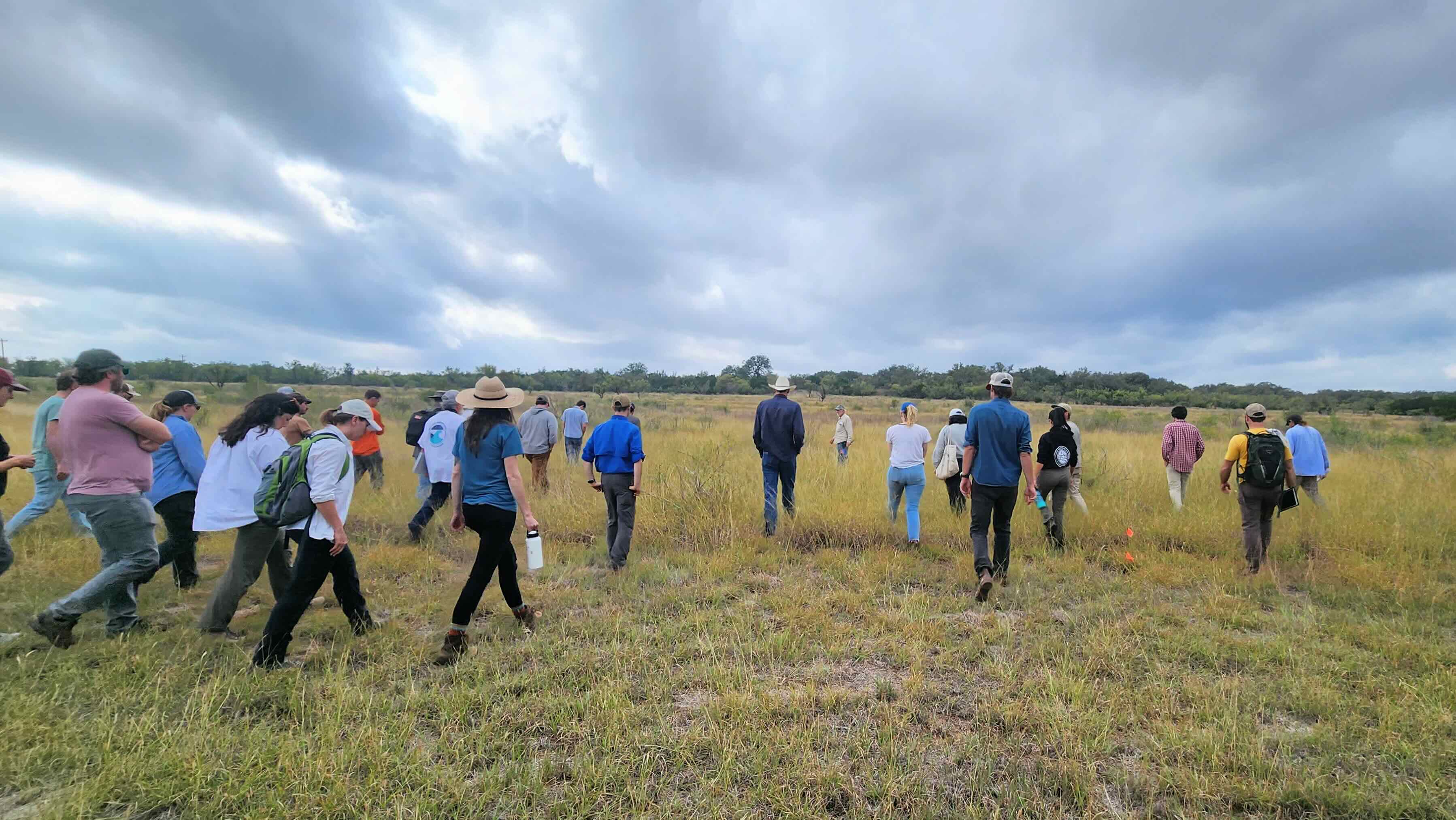

Restoration, Conservation, Inspiration
Restoration isn’t just about land — it’s about people who love and care for it. Whether you’re a neighbor, researcher or volunteer—your curiosity and care will help this place thrive.