

Prescribed Burns
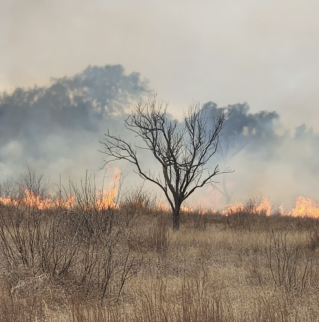
The Science Behind the Flames
Warm season burns, typically conducted from June through September, occur when plants are actively growing. These burns help manage woody plants such as mesquite, juniper, and false willow while also controlling prickly pear cactus and invasive KR bluestem. They can also create more open savanna habitats favored by birds like the black-capped vireo and scissor-tailed flycatcher.
Winter burns, typically conducted from December through February, occur during the dormant season and are more frequent due to higher moisture levels and cooler temperatures, making them easier to manage and control. These fires help remove accumulated dead grasses, return nutrients to the soil, and enhance the success of spring seeding.
While naturally occurring fires in Texas often took place during the dry summer months, suitable conditions for managed summer burns are uncommon. Therefore, we usually conduct burns in late winter when plants are dormant and the risk of wildfires is reduced.
Fire’s Role in Managing KR Bluestem
Research shows that high-temperature summer burns can effectively eradicate KR bluestem. At the ranch, we have found that where native grass species like little bluestem and Indiangrass have established root systems, winter burns can also gradually reduce KR bluestem dominance, provided mowing and grazing are avoided.
Fire Safety and Timing
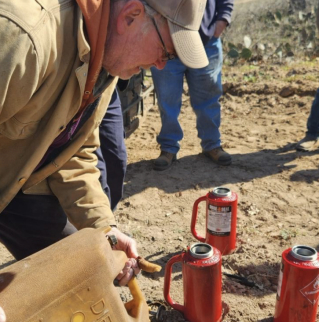
Our Ranch Manager, Allen Spelce, is a Certified Prescribed Burn Manager through the Texas Department of Agriculture. Before each burn, Allen and his team establish fire lines, walk the site, evaluate fuel loads, and monitor wind, humidity, and fuel conditions before igniting a single torch. All burns are conducted in partnership with local fire departments and trained crews to ensure the process is safe and effective.
Visible Results
In areas where cycles of burning and regrowth have been repeated, vibrant stands of little bluestem, Indiangrass, and goldeneye are flourishing after years of decline. Turkeys and songbirds have returned to nest in these grasslands, and pollinators fill the air by late spring.
Resources
You can learn about the Prescribed Burn Program by visiting their website texasagriculture.gov and searching for the Prescribed Burn Program.
Texas A&M Agrilife - Texas Prescribed Burning Handbook provides additional guidance on prescribed fire. https://agrilife.org/rxburn/
The Prescribed Burn Alliance of Texas is another helpful resource. https://www.pbatexas.org/
News & Insights


Restoration, Conservation, Inspiration
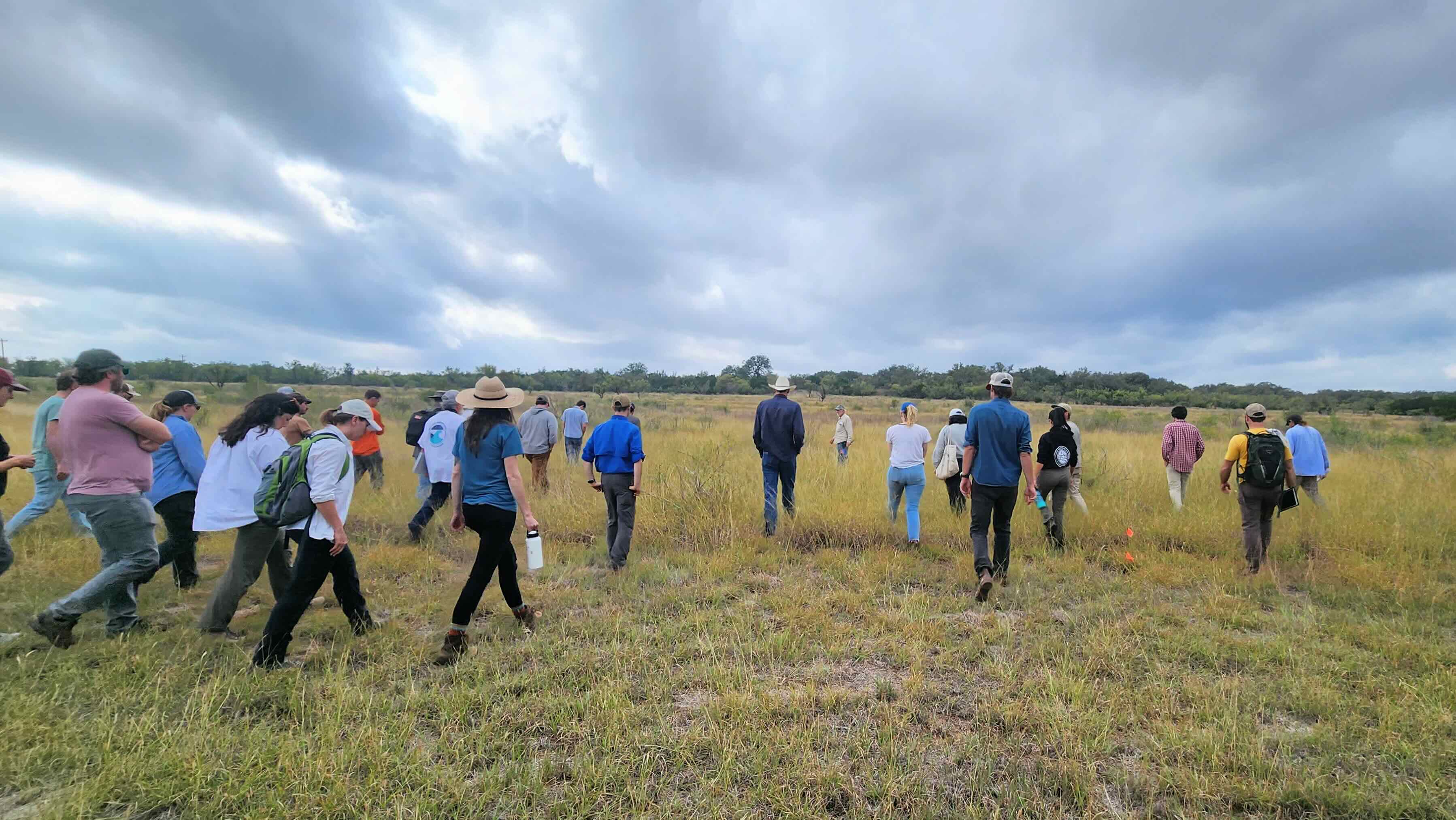
Restoration isn’t just about land — it’s about people who love and care for it. Whether you’re a neighbor, researcher or volunteer—your curiosity and care will help this place thrive.