

Seeding and Seed Harvesting
Seed Sourcing
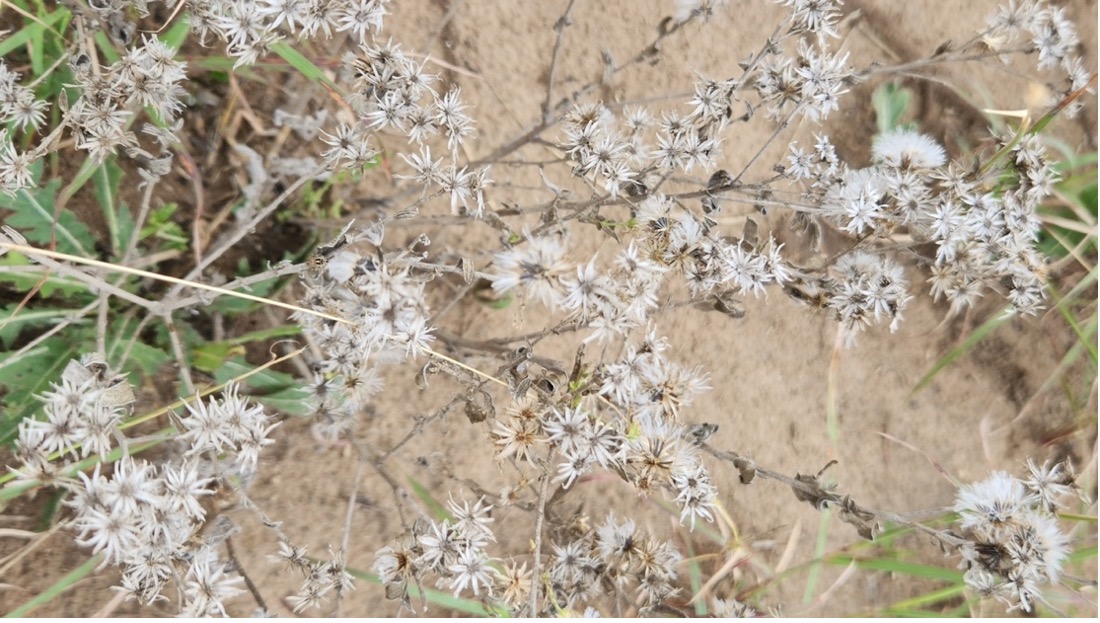
Since the early 1990s, we have collected seeds of native species on the ranch by hand and, when necessary, sourced them from nearby remnant plant populations in similar habitats. This approach ensures that the seeds we use reflect true local genetics. Through this process, we have reintroduced many native species to the ranch, including pavonia, Mexican buckeye, Carolina buckthorn, evergreen, fragrant, and lanceleaf sumacs, as well as many forbs such as penstemon, plateau goldeneye, standing cypress, white and yellow silphium, greeneyes, and more.
We also use purchased commercial seed from trusted sources when available, including some of the more common grass species such as little bluestem, sideoats grama, Indiangrass, switchgrass, and wildrye. We also utilize affordable, readily available forbs such as Maximilian sunflower and Engelmann's daisy. In many cases, these seeds are less expensive to buy than to collect on the ranch.
Seed Sowing
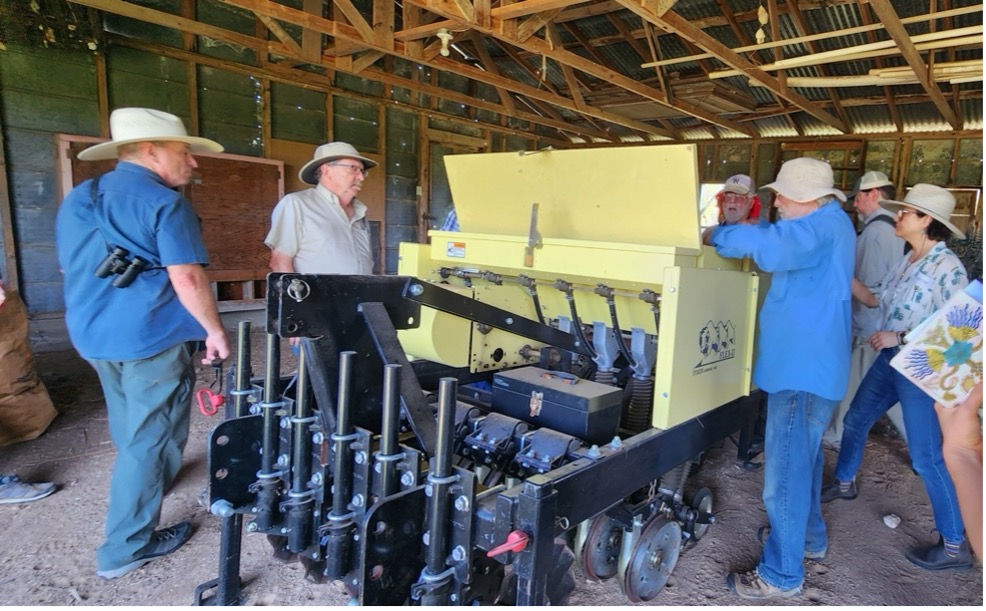
The ranch utilizes hand seeding for smaller areas and along the edges of cedars and live oaks, and a Truax no-till seed drill for larger fields. Hand seeding acres of prairie would be costly and labor-intensive, whereas the seed drill allows us to cast seed across large areas at a consistent depth and spacing, with minimal soil disruption. Each type of seed has an ideal planting depth for germination: too deep, and the seed may not sprout; too shallow, and it may become food for birds or insects. The seed drill was purchased in 2019 and has made us much more effective in sowing our fields.
Seeding is slow and deliberate work—part science, and a lot of patience—but over time, it is transforming once over-grazed ground into a living prairie.
Plant Inventory & Herbarium
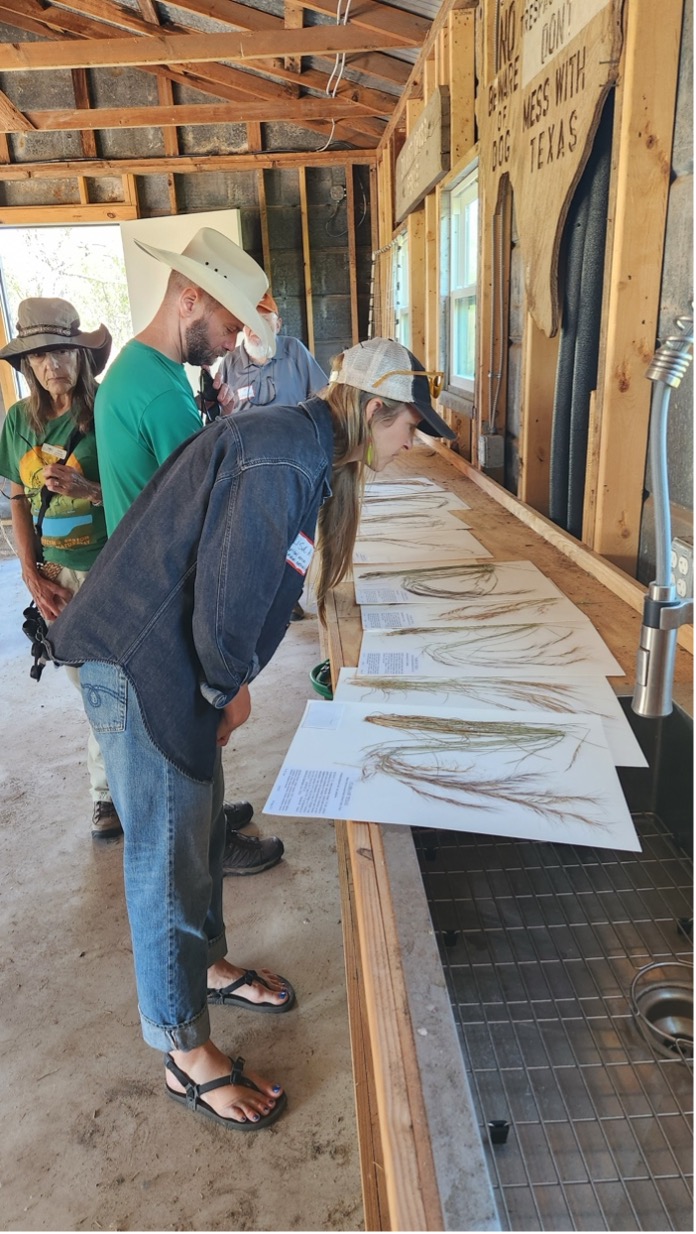
Since 2013, Spicewood Ranch has been cataloging a detailed list of plant species, their classifications, common names, native status, and occurrence notes within specific areas of the ranch. The original botanical inventory was produced by Bill Carr, a noted field botanist whose work has supported Texas Parks and Wildlife and the Nature Conservancy through his company, ACME Botanical Services. Along with the plant list, Carr also established a Spicewood Ranch herbarium, preserving some 500 species found on the ranch.
A herbarium is a library system of dried, pressed, and systematically organized plant specimens typically stored in climate-controlled, pest-resistant cabinets. Herbariums are important because they preserve physical records that can be reexamined and even DNA tested as verifiable evidence that a species once existed. The Spicewood Ranch herbarium is housed in two locations: the University of Texas at Austin Herbarium, a major repository for plants from Texas, Mexico, and Central America, and a second copy stored on the ranch.
A copy of the most current Spicewood Ranch plant inventory can be found here.
News & Insights


Restoration, Conservation, Inspiration
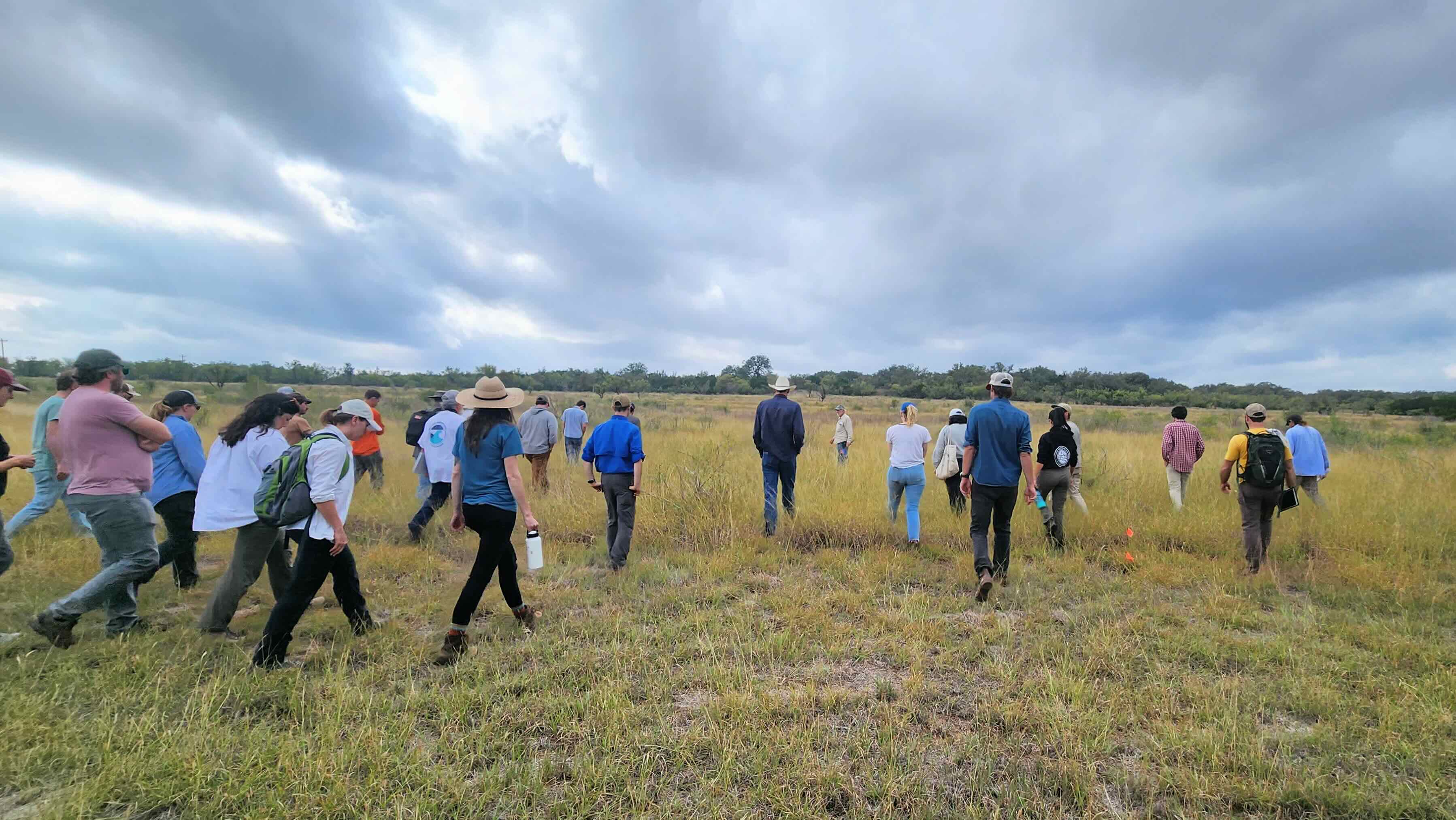
Restoration isn’t just about land — it’s about people who love and care for it. Whether you’re a neighbor, researcher or volunteer—your curiosity and care will help this place thrive.